Analysis and strategy work produced with Claude — grounded research, positioning, and acquisition assets that sit alongside the core product docs.
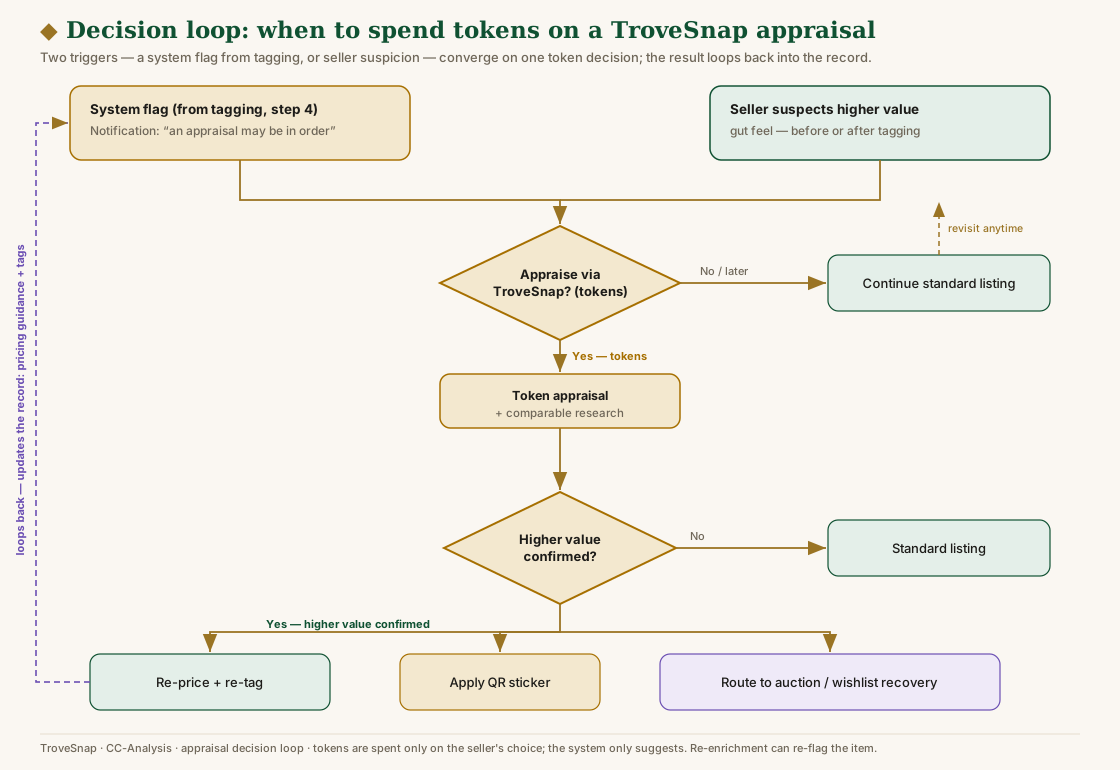
Canonical spec. The image-intelligence layer: progressive scan types (table_hunt, room_scan, item_scan, mark/condition, appraisal prepare/value), canonical request/result schemas, versioned watchlists, the coordinate contract, deterministic candidate ranking, provider adapters (incl. local VLM), cost controls, and implementation phases — the build-grade version of the capture → tag → appraisal flow.
Canonical strategy memo. EstateSail learnings, TroveSnap differentiation, the low-cost wedge → integration / marketplace / professional-network platform, the monetization upsell map, interest telemetry as a first-class subsystem, local-first launch (Sacramento–El Dorado), cell-based expansion, pricing hypotheses, the flywheel, risks, and competitive-monitoring triggers.
Why the free tier should lead with ingestion: the real, shared cataloging pain across estate platforms (EstateSales.net, MaxSold, AuctionNinja, HiBid, Facebook, eBay), three seller personas, full landing copy, hero variants, ad sets, OG image spec, and an A/B test plan.
The build-ordered bridge under the canonical specs — and the argument for the sequence: don't compete on AI cataloging or POS, win on identity + demand + recovery. Six sequenced workstreams (operational foundation → QR identity spine → deterministic/local-first capture → staged vision → demand + recovery → positioning wedge), each with why + acceptance, plus invariants and open decisions. Points to capture-to-sale-tracking.md and the two canonical specs as source of truth.
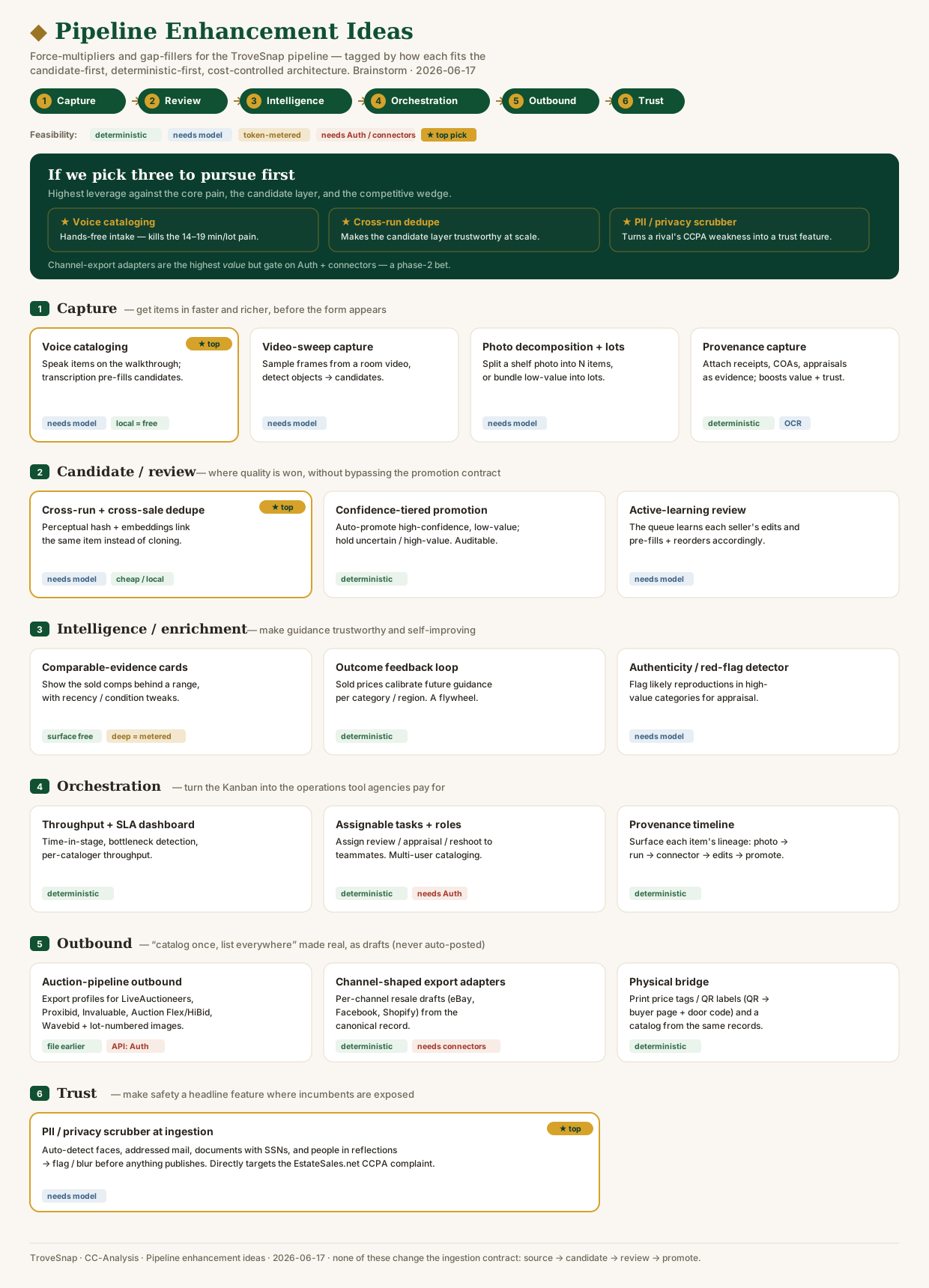
A visual infographic of force-multipliers and gap-fillers for the pipeline — voice cataloging, cross-run dedupe, confidence-tiered promotion, comparable evidence, an ops/SLA layer, channel-export adapters, and a PII scrubber — arranged across the six pipeline stages and tagged by feasibility (deterministic / model / token-metered / Auth-gated).
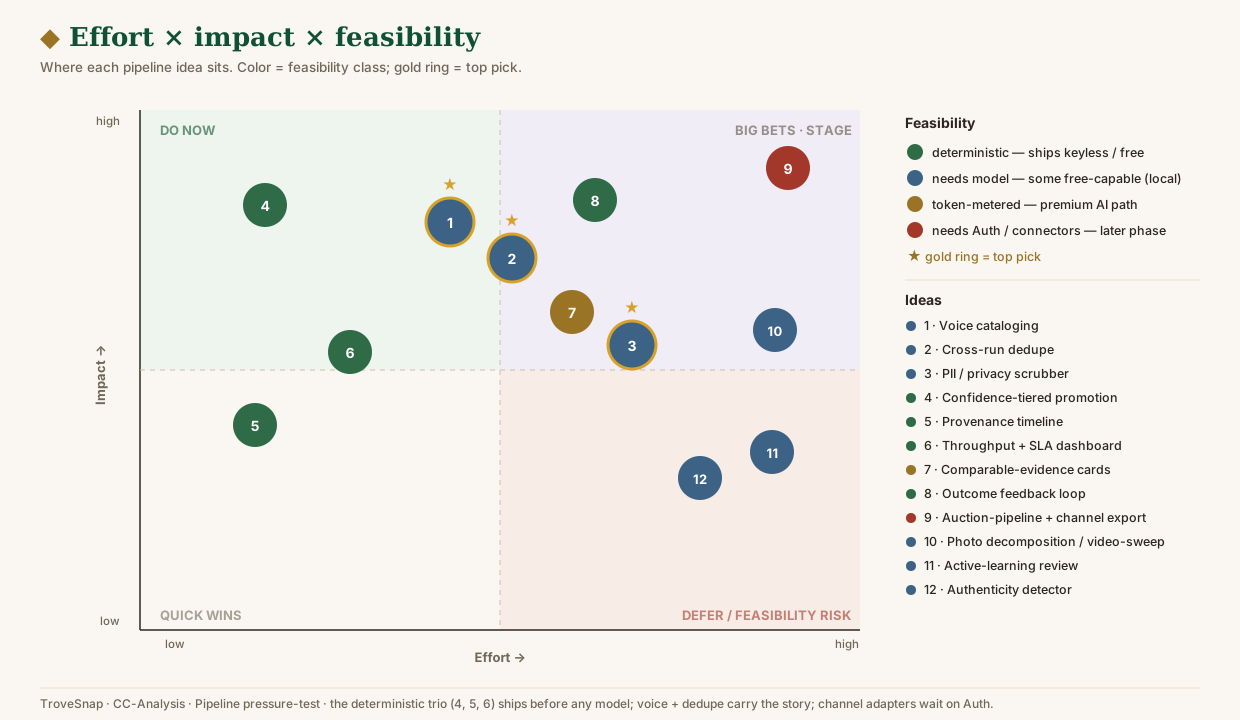
Scores the pipeline ideas on effort × impact × feasibility, with a 2×2 matrix infographic, a scored table, and a recommended build sequence — deterministic trio first, then the free-capable model wins, with channel adapters staged on Auth.
The real marketplace feeds and auction-management software estate sellers use — LiveAuctioneers, Proxibid, Invaluable, Auction Flex/HiBid, Wavebid — with researched import formats, the LiveAuctioneers field spec, lot-numbered image rules, a canonical→template field mapping, and a phased adapter design (file exports first, API + sale-results pull-back later).
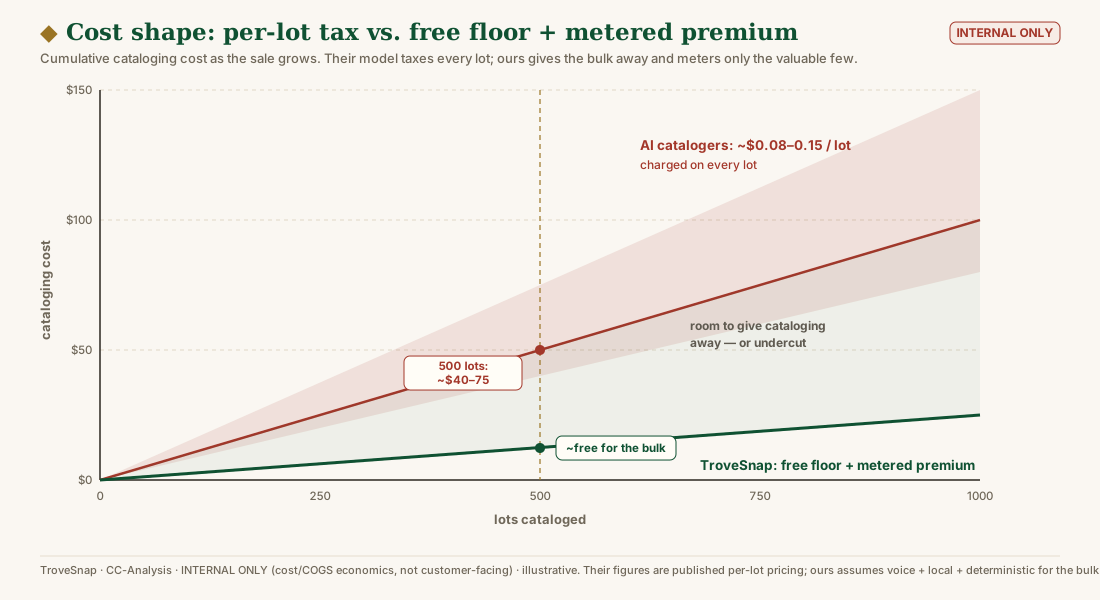
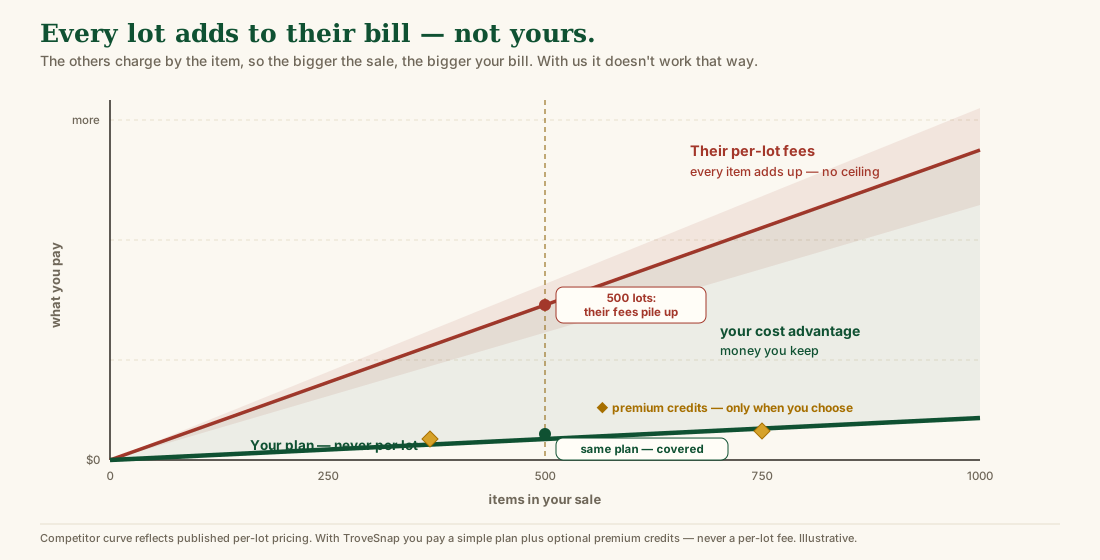
How the AI cataloging tools (Gavelist, EstateSail, Estimint, aListEngine…) work and where TroveSnap differentiates: the cost-shape difference (per-lot tax vs. free floor + metered premium, with a chart), the "see as you go" interactivity edge, a head-to-head table, and the integration stance (interop via CSV, don't compete on the scan).
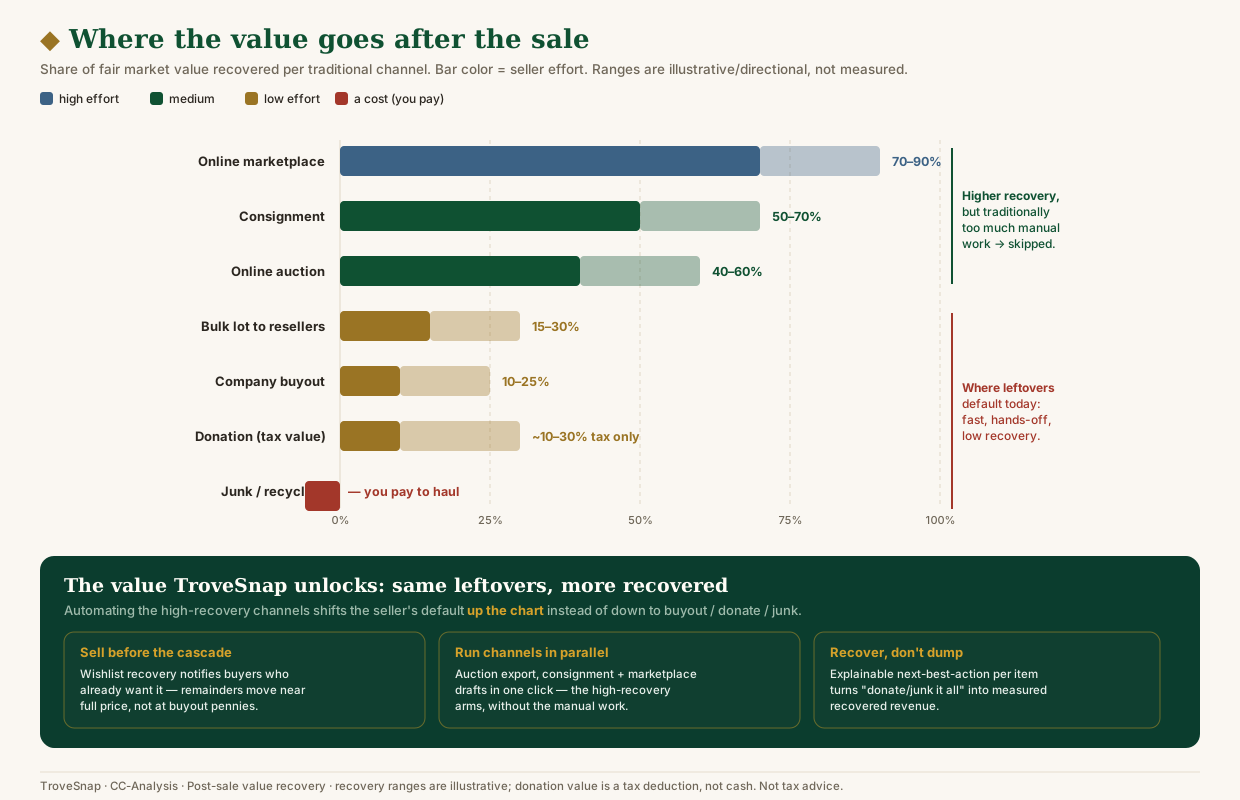
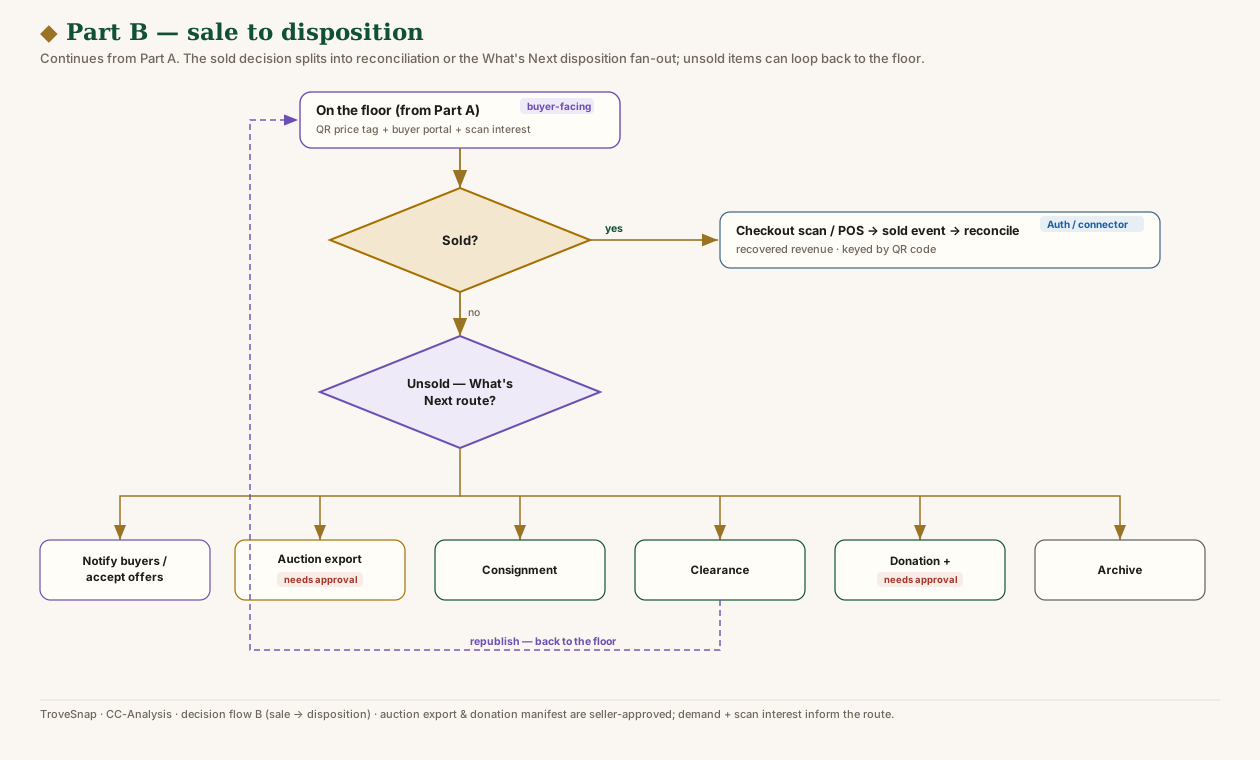
What estate sellers traditionally do with inventory after the sale — the full cascade (markdown, return-to-family, marketplace, consignment, auction, bulk-lot, buyout, donation + tax mechanics, junk/recycling), recovery economics, a value-recovery infographic, and where TroveSnap's "What's Next" engine fits vs. the gaps.
An interactive HTML rendering of a TroveSnap agency command center: a live pipeline board (pulsing live indicator, ticking counts, streaming activity feed, bottleneck flag) plus a multi-sale tracker showing five estate-sale engagements for one client — stage, items reviewed, pipeline progress, demand, recovered revenue, next action. Sample data; live feed simulated.
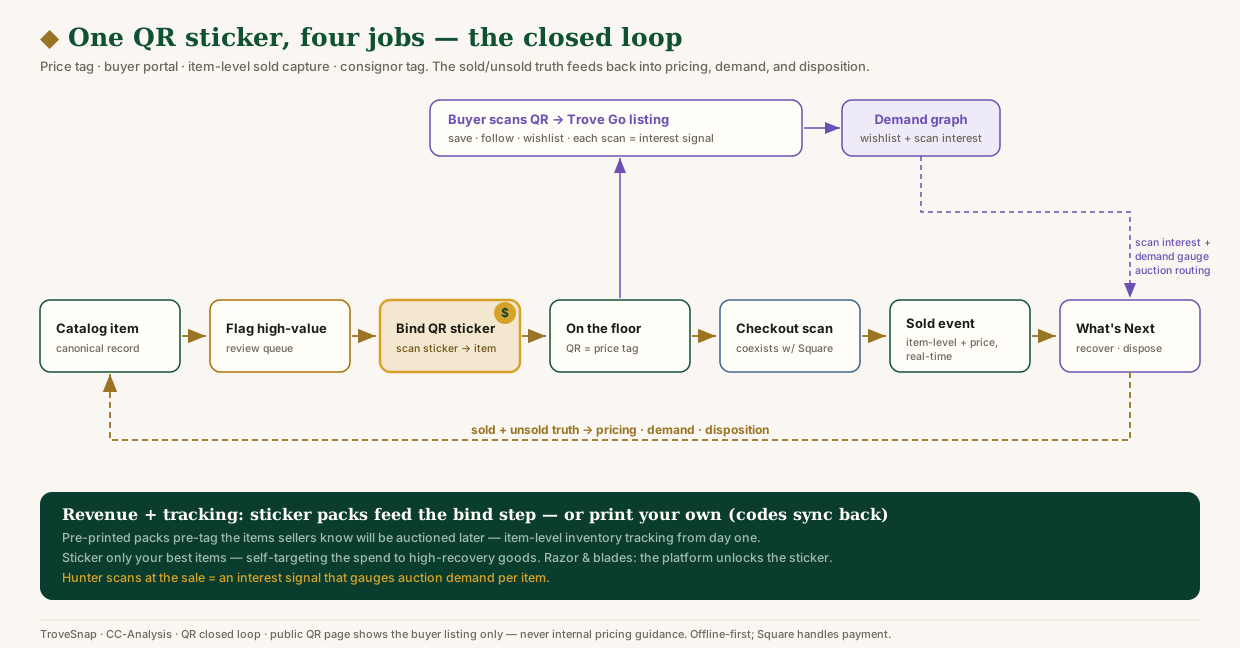
How estate sales track sales today, why a QR sticker closes the pipeline's inbound loop (price tag · buyer portal · item-level sold capture · consignor tag), and how sellable QR sticker packs become a self-targeting revenue line — with a closed-loop diagram, a pricing-SKU sketch, and design resolutions for each caveat (binding speed/offline, adhesive, checkout speed, privacy, physical ops, incumbents).
Market-facing landing page for the estate-sale-company edition: hero, a seller-facing cost chart (per-lot fees climb vs. flat "cataloging included, $0/item"), feature grid, automation banner, "keep your tools" integrations, and a flat-pricing teaser.
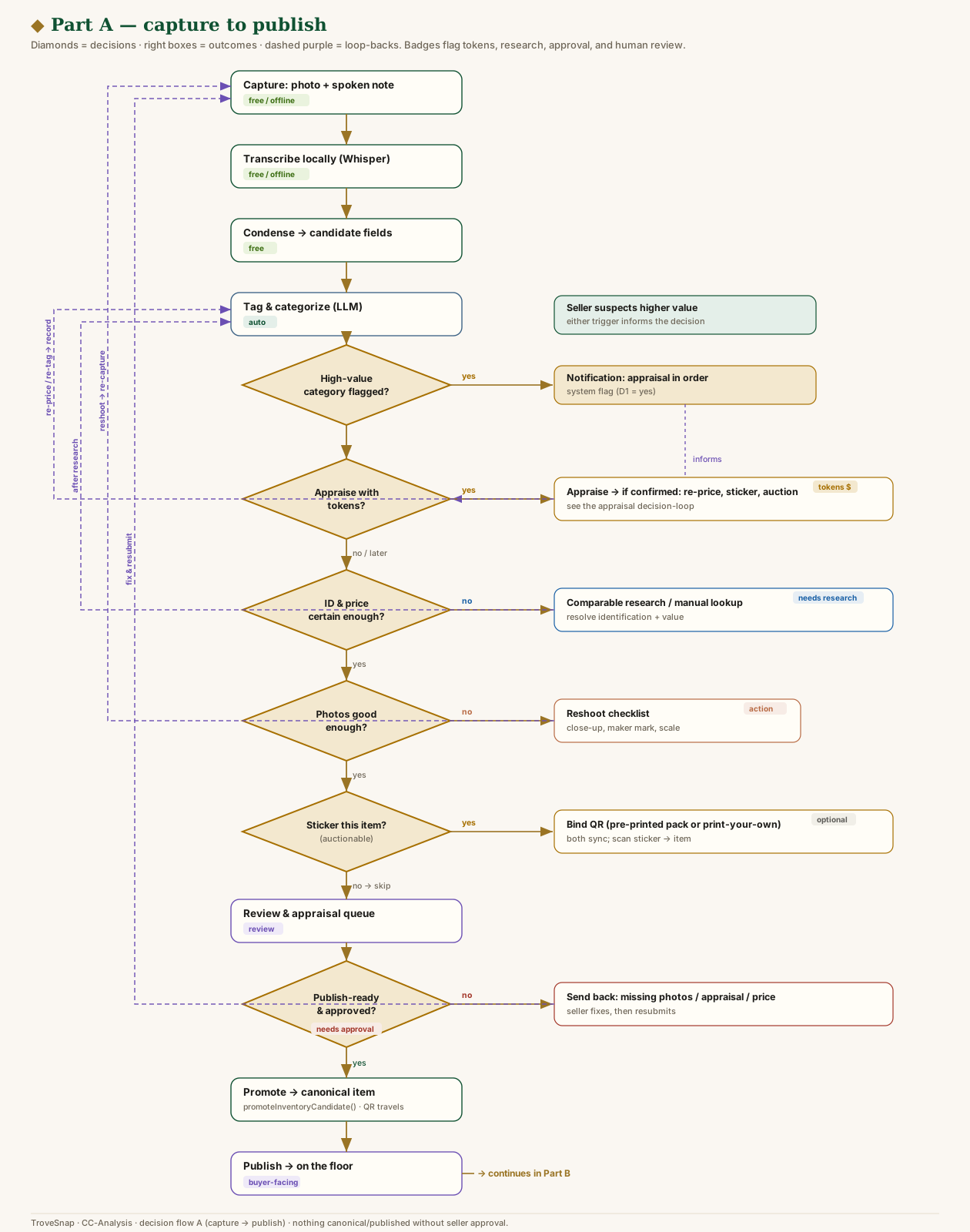
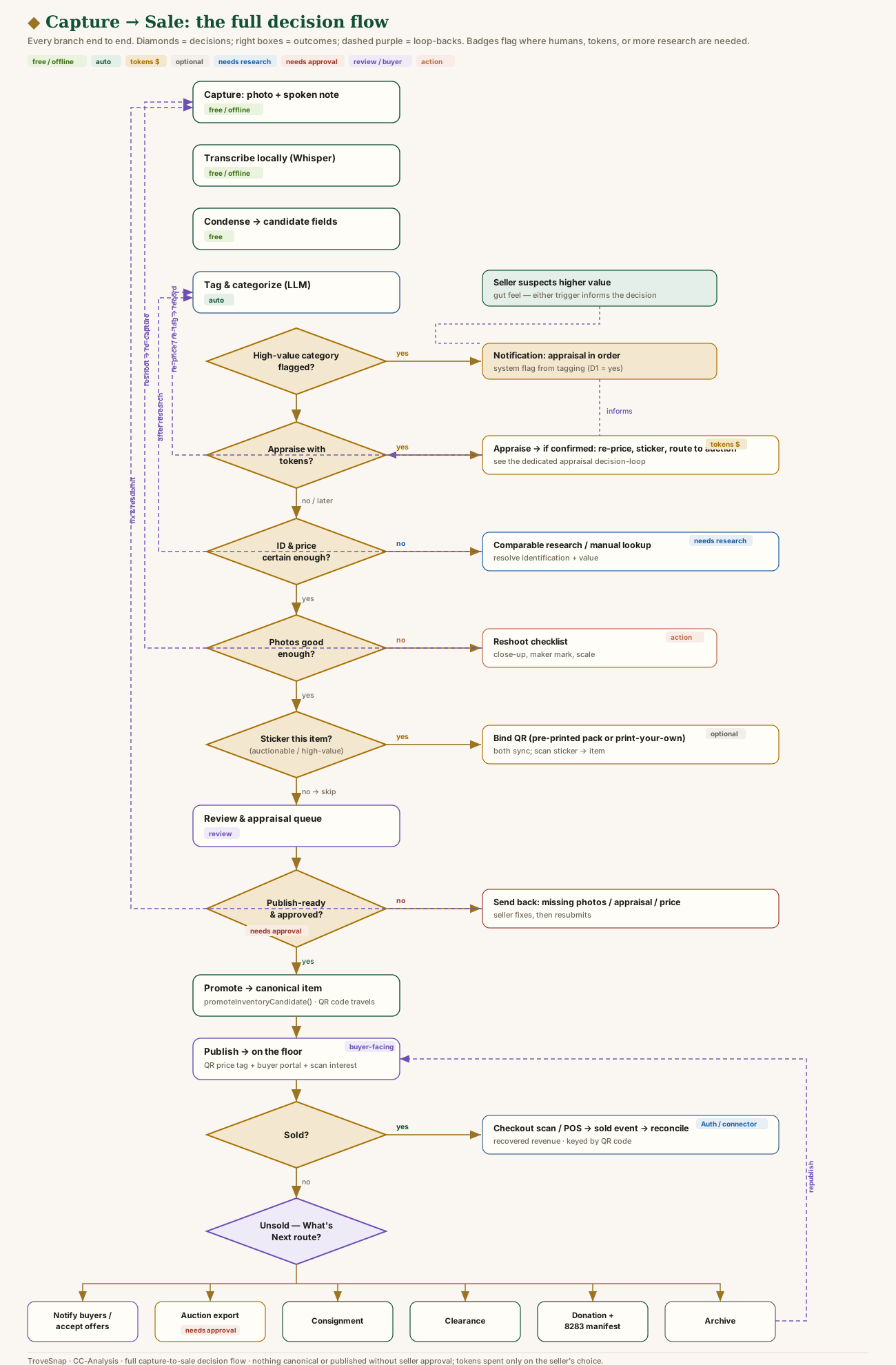
The full journey as a concept page: photo + spoken description → local transcribe + condense (free, offline) → description-seeded LLM tagging → optional token appraisal (before/after) → optional QR sticker (pack or print-your-own, both sync) → review → floor → sold capture, with a diagram of how the QR code syncs the sale across PROSALE / EstateSail / TroveSnap.
Source research from 20 estate-sale-company lead-generation tactics, translated into TroveSnap/TroveGo integration ideas: referral source tracking, partner proof packets, directory/social publishing kits, QR check-ins, Gmail/share-for-token listing discovery, buyer value-hint tokens, and Justin interview prompts.